

Principal Investigators

Jason Plemel, Ph.D.
Dr. Jason Plemel is an Associate Professor in the Department of Medicine at the University of Alberta. His laboratory studies how the brain responds to injury and how damaged white matter can be repaired, with a particular focus on multiple sclerosis (MS).
Dr. Plemel completed his PhD in Neuroscience at the University of British Columbia with Dr. Wolfram Tetzlaff, where he studied strategies to restore myelin following spinal cord injury. He then completed postdoctoral training with Drs. Peter Stys and Wee Yong at the University of Calgary, where his research shifted toward understanding how immune cells respond to myelin damage. Today, the Plemel Lab focuses on microglia, the resident immune cells of the brain and spinal cord. Microglia can help the nervous system recover from injury, but they can also contribute to inflammation and tissue damage. The lab seeks to understand what determines these different responses and how they change with age and disease.
A major focus of the lab is remyelination—the process by which the nervous system repairs damaged myelin, the protective insulation surrounding nerve fibres. Using experimental models of myelin injury, human cells and tissues, and technologies such as single-cell and spatial transcriptomics, the lab studies how different populations of microglia influence myelin damage and repair. Recent work from the lab has shown that microglia adopt a variety of specialized states during remyelination and that aging disrupts the normal transitions between these states.
Ultimately, the Plemel Lab aims to understand why repair succeeds in some circumstances but fails in others, and to use this knowledge to identify new strategies that protect the nervous system and promote repair in MS and other neurological conditions.
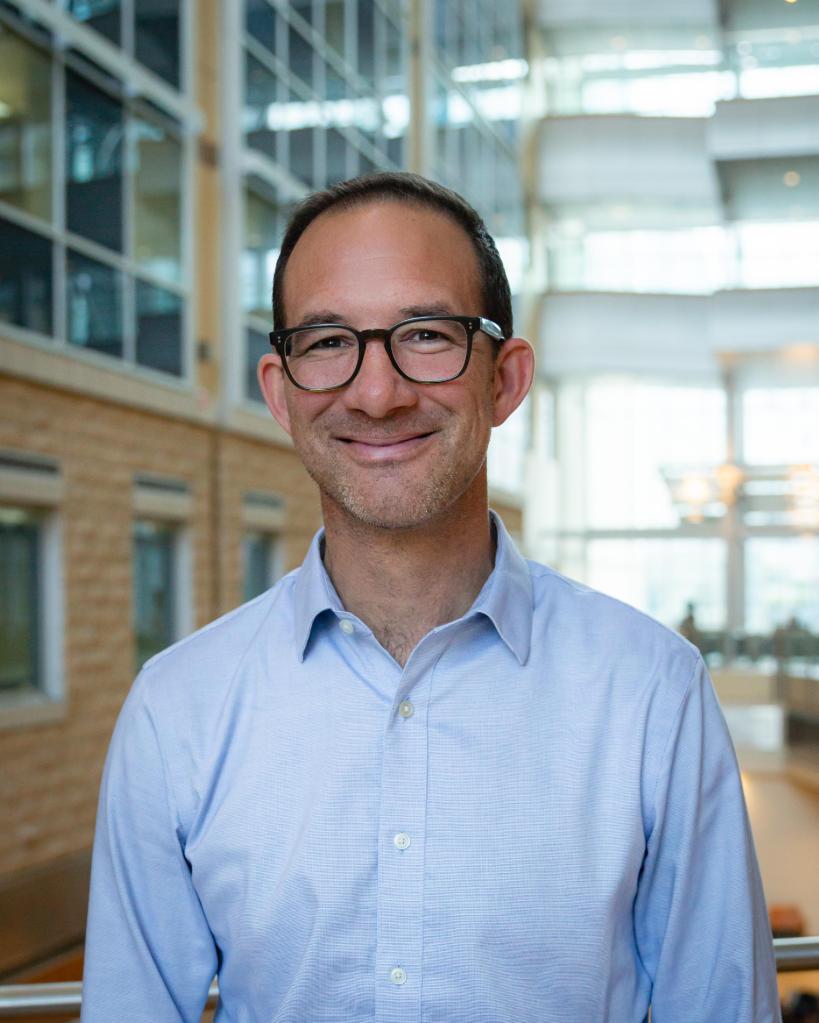
Bradley Kerr, Ph.D.
Dr. Bradley Kerr is a Professor and Research Director in the Department of Anesthesiology and Pain Medicine at the University of Alberta. His laboratory studies why pain develops after injury or disease and, importantly, why pain sometimes persists long after the original injury has occurred.
Dr. Kerr received his BSc in Psychology from McGill University and completed his PhD in Neuroscience at King’s College London, where he studied how inflammatory and other signaling molecules contribute to persistent pain. He then completed postdoctoral training at the California Institute of Technology and McGill University, investigating how the nervous and immune systems respond to injury. He joined the University of Alberta in 2007.
Today, the Kerr Lab focuses on the interactions between the nervous system and immune system in pain. Pain is normally protective, warning us of injury or disease. However, changes in sensory neurons, immune cells, and the communication between them can cause the nervous system to remain hypersensitive, producing chronic pain even when it is no longer beneficial.
The lab studies these processes in conditions including multiple sclerosis, nerve injury, and other forms of persistent pain. A major goal is to understand how immune cells and inflammatory signals alter the activity of sensory neurons and pain pathways. The lab is also investigating why pain mechanisms can differ between males and females and what determines whether inflammation and pain resolve normally or become chronic. These questions are studied using approaches ranging from molecular and cellular biology to electrophysiology, imaging, and animal models of neurological disease and injury.
Ultimately, the Kerr Lab aims to identify the biological changes that cause pain to become chronic and to use this knowledge to discover new ways of preventing or treating persistent pain.
Graduate Students and Postdocs

Madelene Ho, PhD Candidate
Madelene initially started in the Plemel lab in 2018 to intern as a Research Assistant to gain more laboratory experience and techniques and be part of the front lines in Multiple Sclerosis research. Now a senior PhD Candidate in Neuroscience, her thesis is a collaborative project between the Kerr and Plemel Lab focusing on the macrophage immune cells’ dynamics at the peripheral nervous system’s dorsal root ganglion and how they contribute to neuropathic pain. Apart from her love of the daring environment of research labs, she is passionate about biomedical research and care in the clinical sciences. Recently, she has been fascinated by the neuro-immune axis within visceral pain disorders in women’s health. When not in the lab, she loves to think about the lab and how much work she should be getting done. She also likes to watch movies, play board games, cycle, and watch video essays on movies. To connect with her, she is @iammadho on BlueSky and Instagram.
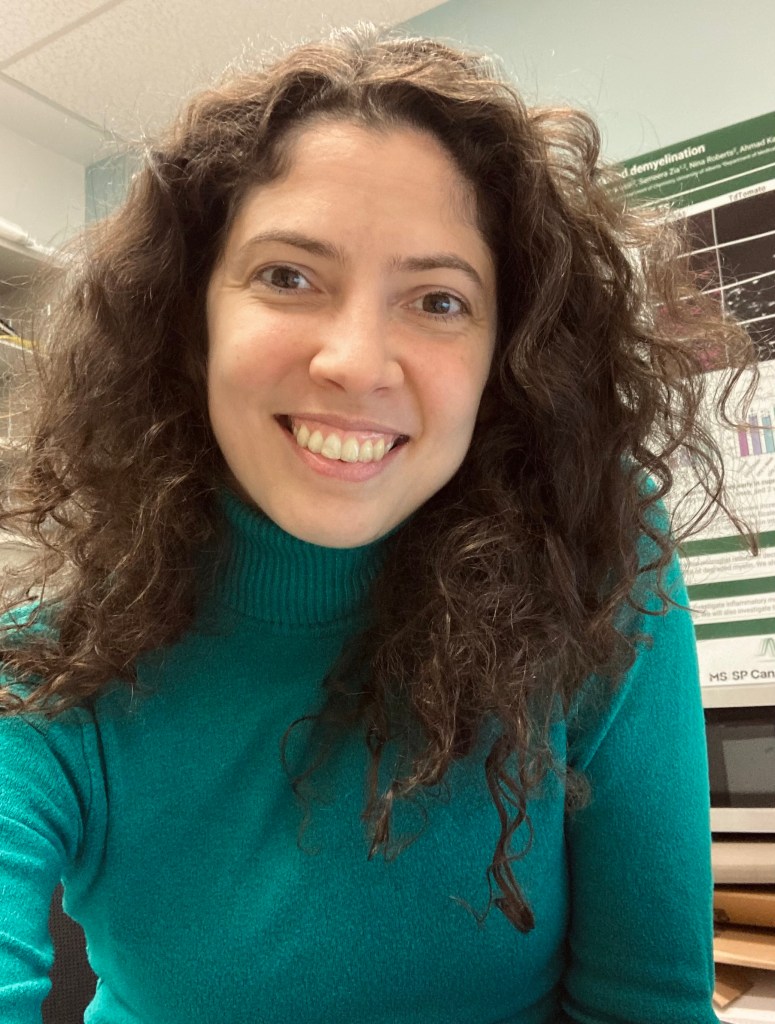
Marianela Traetta, Postdoctoral Fellow
Marianela joined the lab as a Postdoctoral Fellow in September 2024. Her research focuses on uncovering the mechanisms underlying microglial rejuvenation and exploring their therapeutic potential to promote remyelination in a focal demyelination model. Outside the lab, she enjoys painting with watercolors, practicing the piano, doing yoga, and traveling to the West Coast, hoping to catch a glimpseof orcas
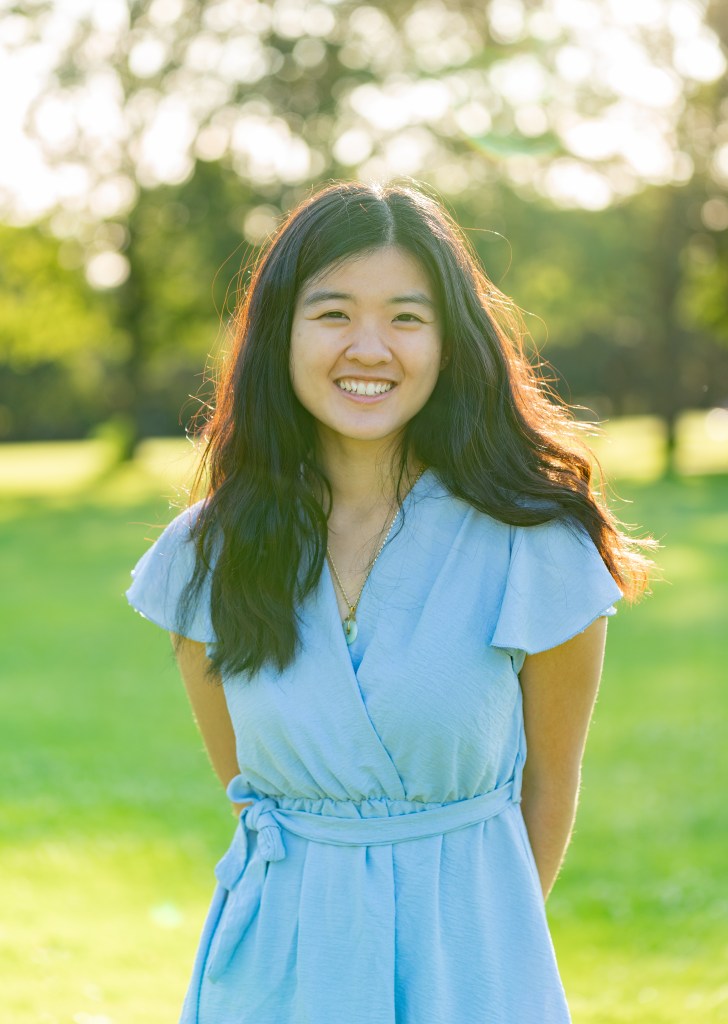
Arina Pang, Ph.D. Student
Arina is a MSc student at the University of Alberta. Under the supervision of Dr. Brad Kerr, her project will focus on the role of inflammation in a model of pain resolution. Outside of her studies, Arina enjoys reading and climbing.
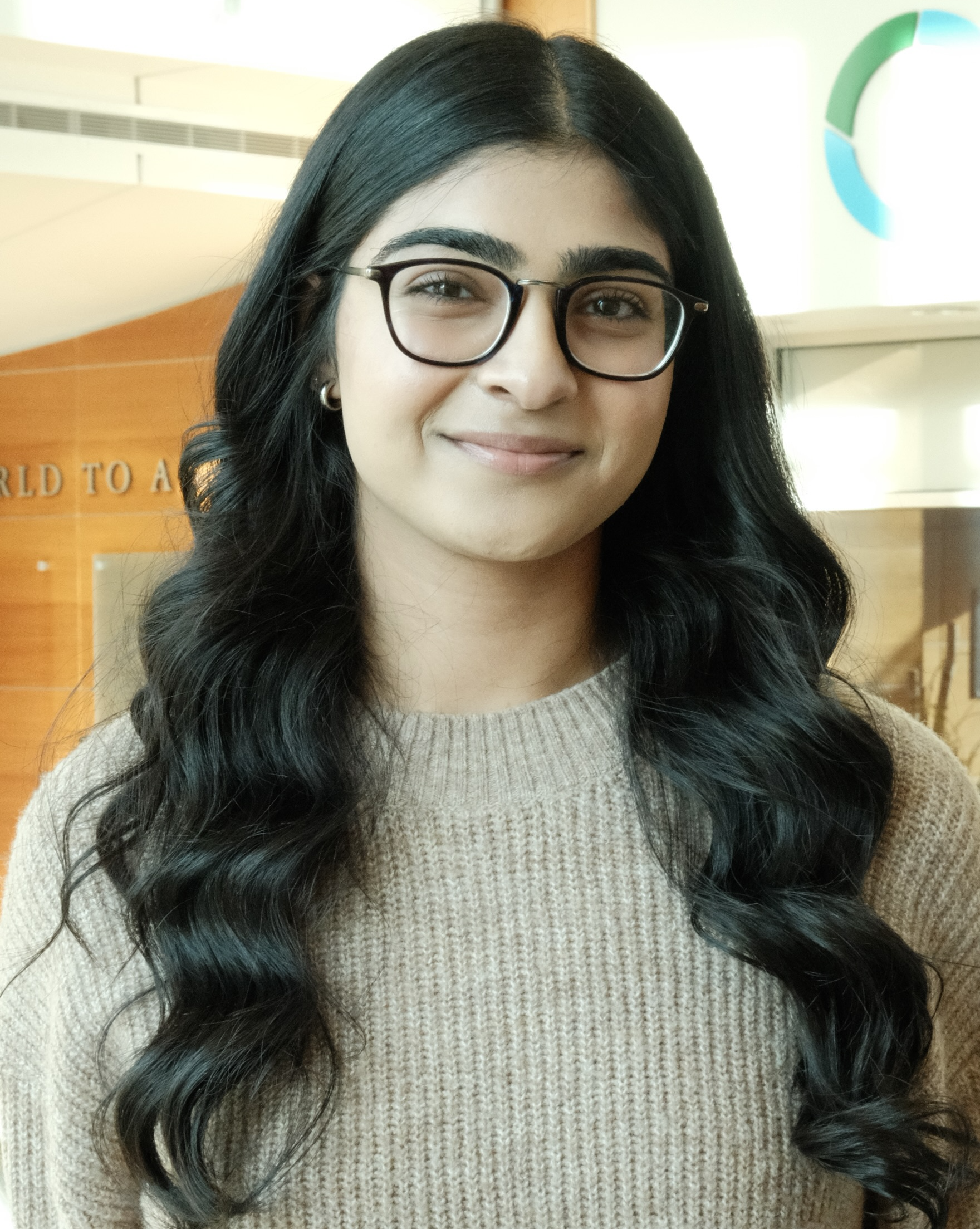
Kainat Meherali, M.Sc. Student
Kainat is an M.Sc. student at the University of Alberta. She completed her Honours B.Sc. in Pharmacology, also at the U of A. Under the supervision of Dr. Kerr and Dr. Plemel, her project focuses on chemotherapy-induced peripheral neuropathy (CIPN) and the role of interferon signalling in pain resolution. Outside of the lab, Kainat enjoys trying new cafes and reading.
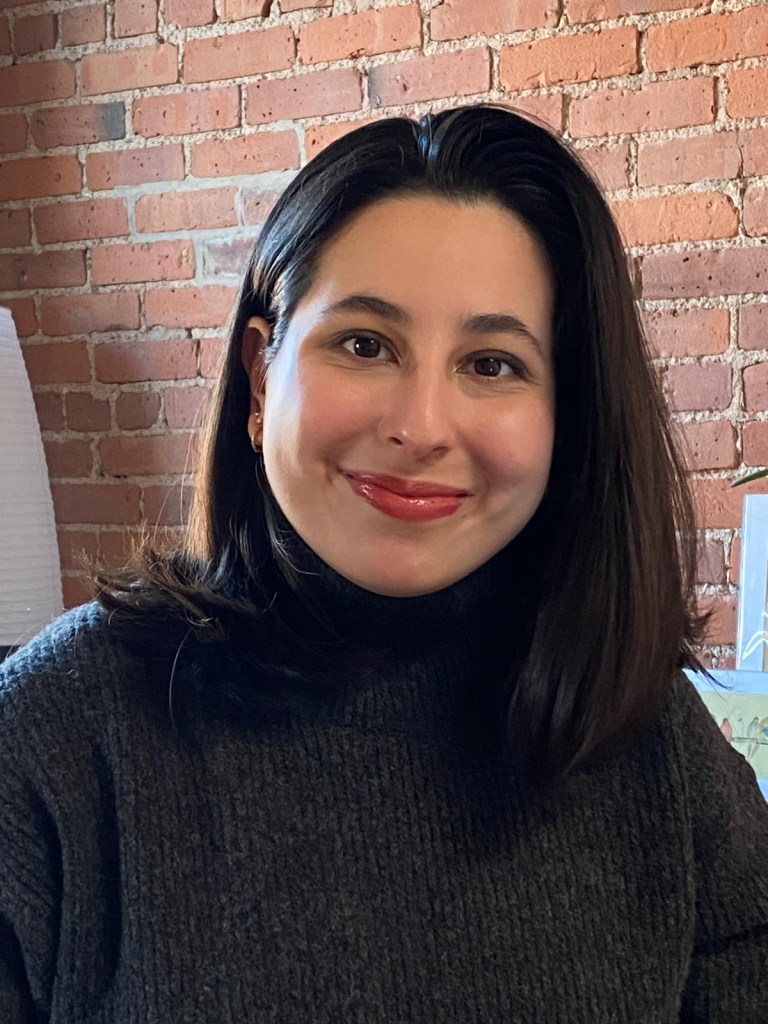
Eda Erdogmus, M.Sc. Student
Eda joined the Plemel lab in 2026 as a MSc student. She came to microglia after exploring several other paths in bioengineering, and kept finding her way back to the same questions about how these cells decide when to help and when to harm the nervous system, until it became clear this was the problem she actually wanted to work on. She now studies how microglia shift between homeostatic and activated states during demyelination and MS, and what determines those transitions. Outside the lab, Eda is a naturalist. She presses wildflowers, tracks phenology, and paints oil pastel portraits of her cats.
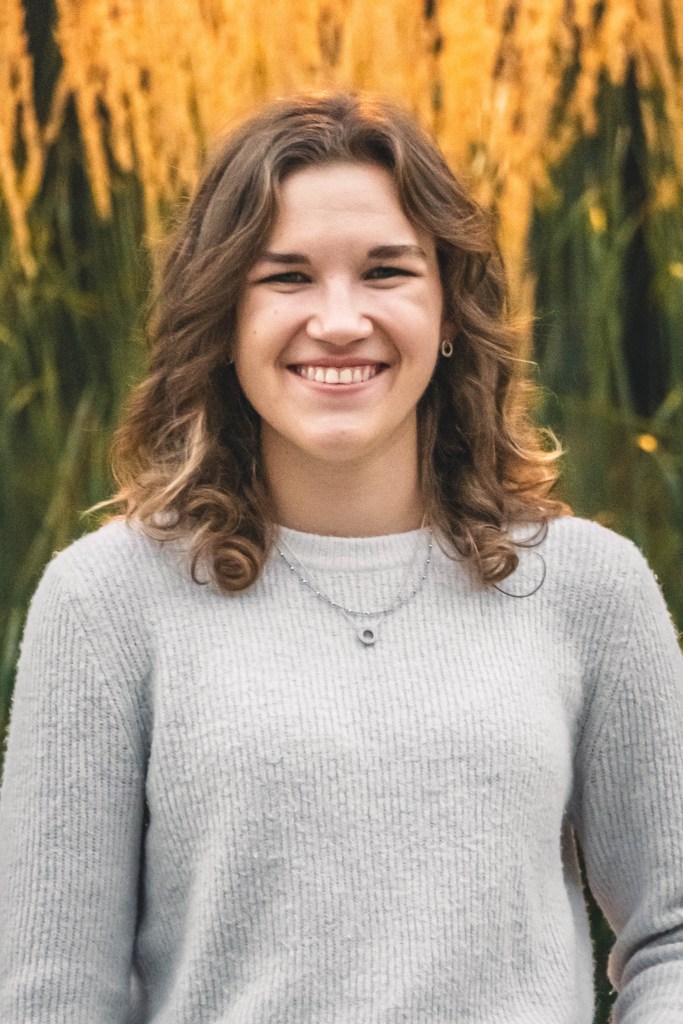
Rory Karbonik, M.Sc. Student
Rory is a MSc student in Dr. Kerr’s lab. She began her project in 2025 and focuses on the sex dependent role of the TNFR1 receptor in autoimmune pain. Rory initially focused on nerve regrowth after surgery in Dr. Webber’s lab in her neuroscience undergraduate degree at the University of Alberta before beginning her MSc in the Kerr lab. When not in the lab, Rory enjoys knitting, camping, and spending time with her family!
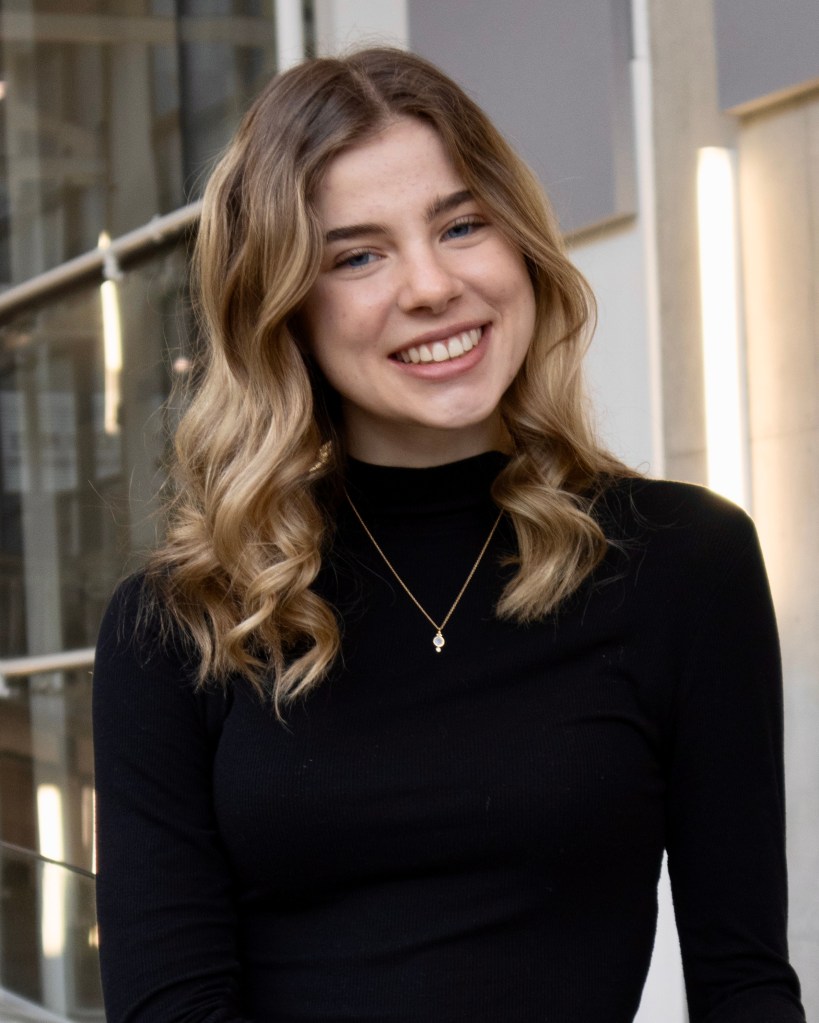
Sydney Causgrove, M.Sc. Student
Sydney is an MSc student at the University of Alberta, where she also completed her Honours BSc in Neuroscience. Under the supervision of Dr. Kerr, her research focuses on understanding the mechanisms underlying multiple sclerosis and investigating the role of inflammation in pain across a range of disease models, including multiple sclerosis and cancer. Outside the lab, Sydney enjoys reading, spending time with friends and family, and taking ballroom dance classes.
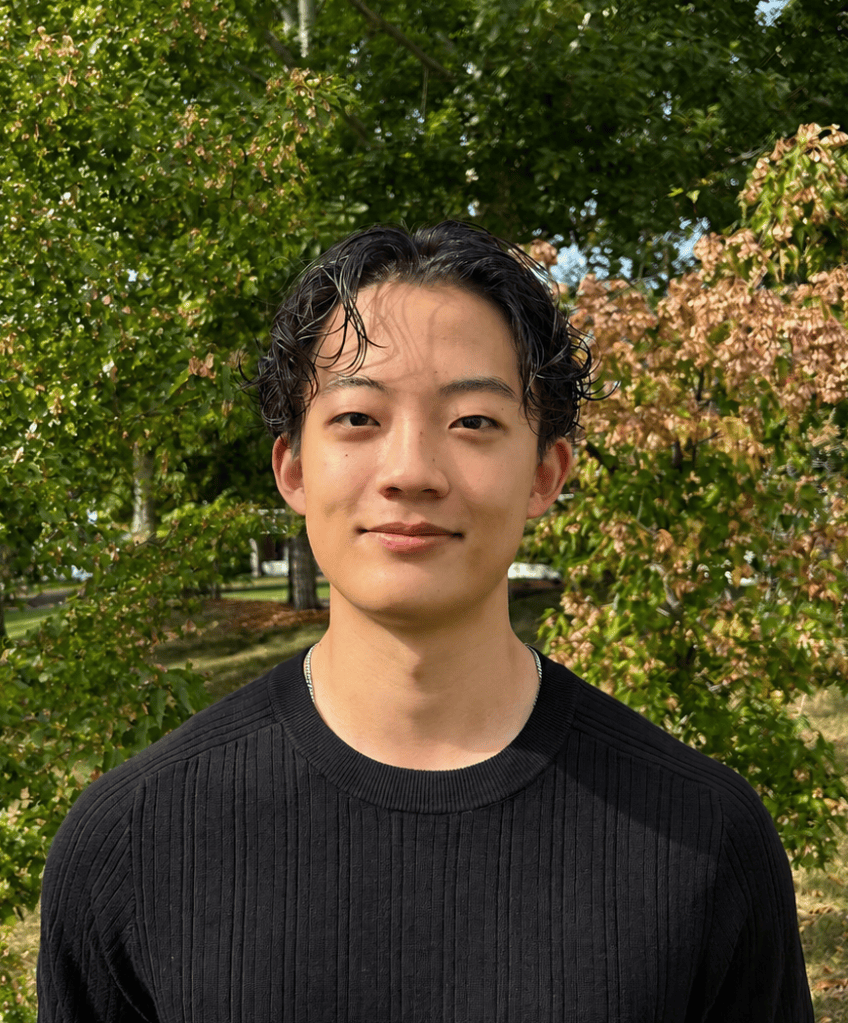
Eugene Hahn, M.Sc. Student
Eugene initially joined the lab as a volunteer in 2023 to learn more about microglia and gain experience with laboratory techniques. Since then, he has completed his undergraduate honours thesis under Dr. Plemel’s supervision and is now an MSc student in Neuroscience at the University of Alberta. His research primarily focuses on better defining microglial maturation and investigating how insulin, among other factors, influences this process. Outside of research, Eugene will spend his free time watching movies and cooking, as well as playing and watching sports.
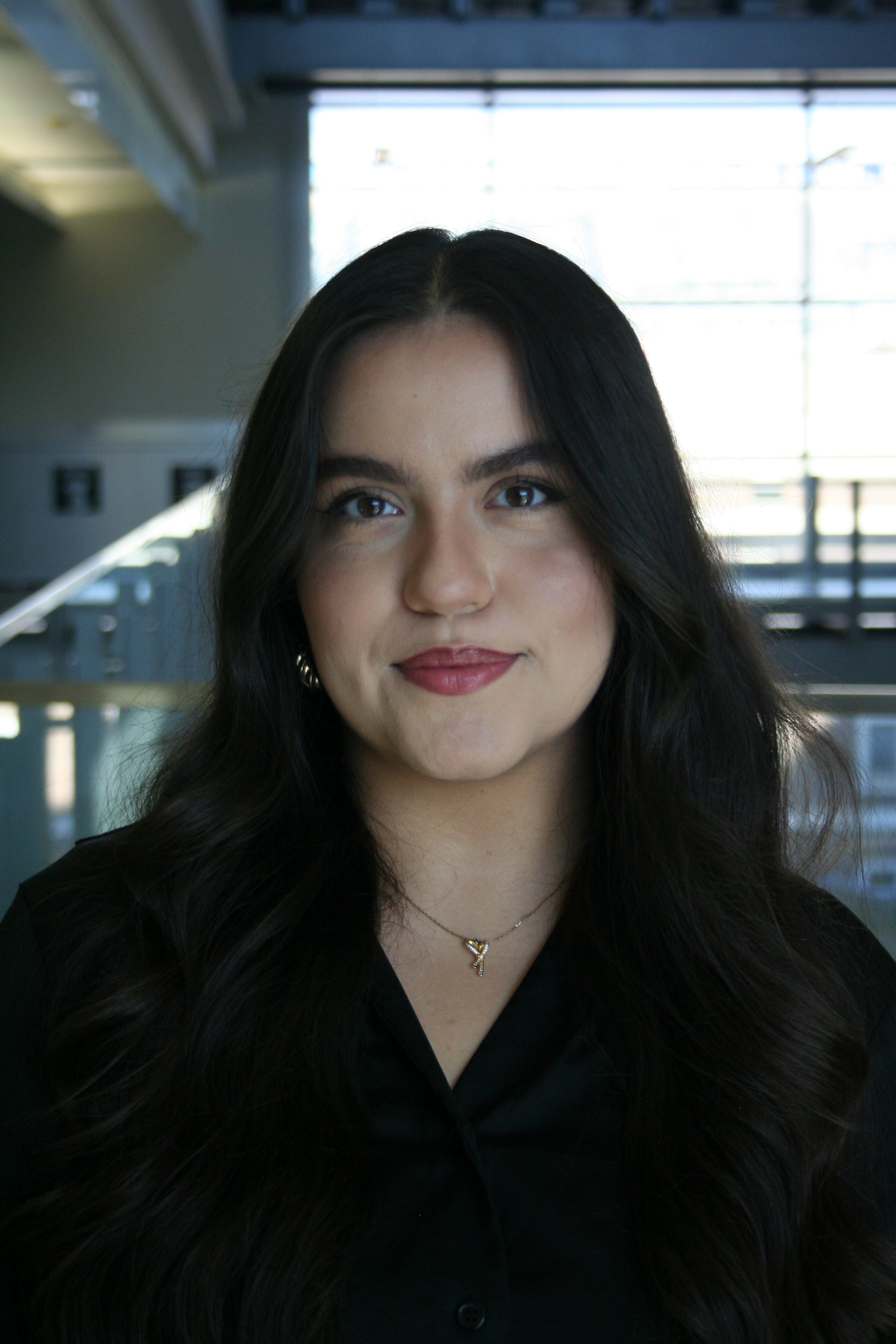
Sejal Singh, M.Sc. Student
Sejal is an MSc. Student in the Kerr Lab at the University of Alberta. She graduated from the BSc. Honours Physiology program at the UofA. Her master’s project will investigate the role of nociceptor cell death in the experimental autoimmune encephalomyelitis model of Multiple Sclerosis. Outside of research, Sejal enjoys cooking new recipes, going to a fitness class like spin or hot yoga, and spending quality time with friends and family.
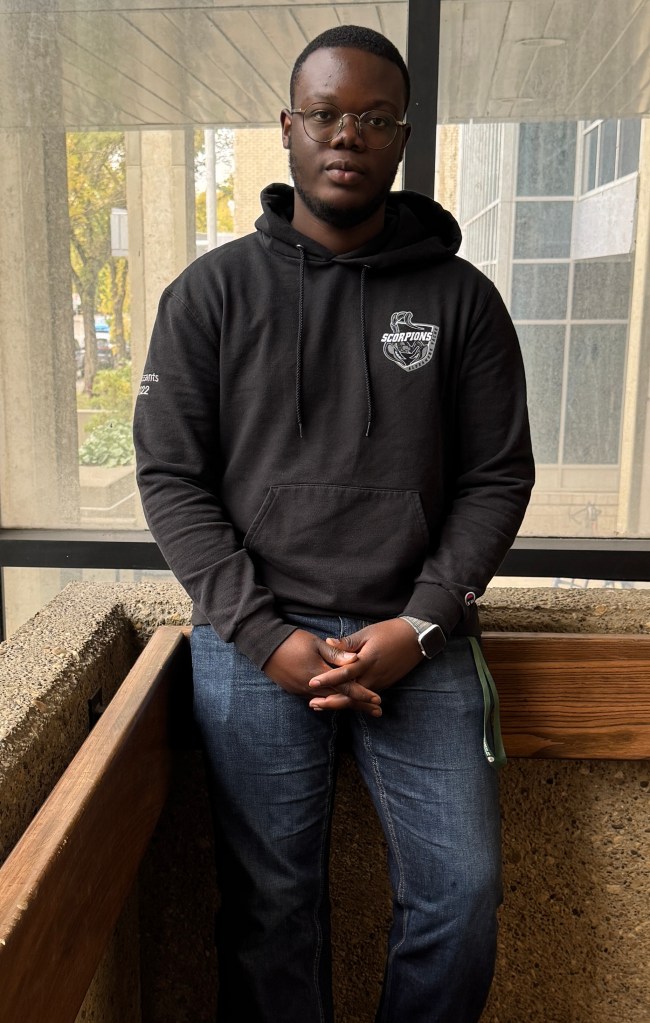
Wisdom Sanouvi-awoga, M.Sc. Student
After the completion of his Honors BSc in Neuroscience at the University of Alberta, Wisdom Sanouvi-Awoga joined the lab as an MSc student in Neuroscience, co-supervised by Drs. Jason Plemel and Bradley Kerr. His work focuses on mapping the interplay between the nervous and immune systems in chronic pain conditions. Wisdom aims to characterize the cellular states of neurons and immune cells and to discern the significance of their interactions with regard to the pathogenesis of neuropathic pain. Between long hours in the lab, Wisdom enjoys reading classic French literature and mystery novels, and playing table tennis.

Reza Naeimi, Postdoctoral Fellow
Reza first joined the Plemel Lab in 2023, studying whether targeting oxidative stress could improve remyelination with aging. After earning his MD from Babol University of Medical Sciences in Iran he returned to clinical practice as a family physician and later worked in a neurosurgical clinic. Caring for patients only made him more curious about what lies behind neurological signs and how understanding those mechanisms could lead to better treatments. In 2026, Reza found his way back to the Plemel Lab as a postdoctoral research fellow, supported by the ECTRIMS–MSIF McDonald Fellowship. He now studies some of the earliest changes occurring in the white matter in multiple sclerosis, combining human post-mortem tissue with experimental and computational approaches to understand how microglia, inflammation, and regenerative responses influence myelin damage and repair. He hopes to identify changes that happen before irreversible damage takes hold and find opportunities to intervene earlier.Outside the lab, he enjoys tennis, hiking and camping, cooking and barbecuing, movies and music—and has a habit of turning free time into an excuse to read about medicine!
Andrea Klassen, M.Sc. Student
Andrea is a MSc student investigating peripheral mechanisms of pain and inflammation in multiple sclerosis under the supervision of Dr. Bradley Kerr. Outside of the lab, she enjoys reading and baking.
Undergraduate Students
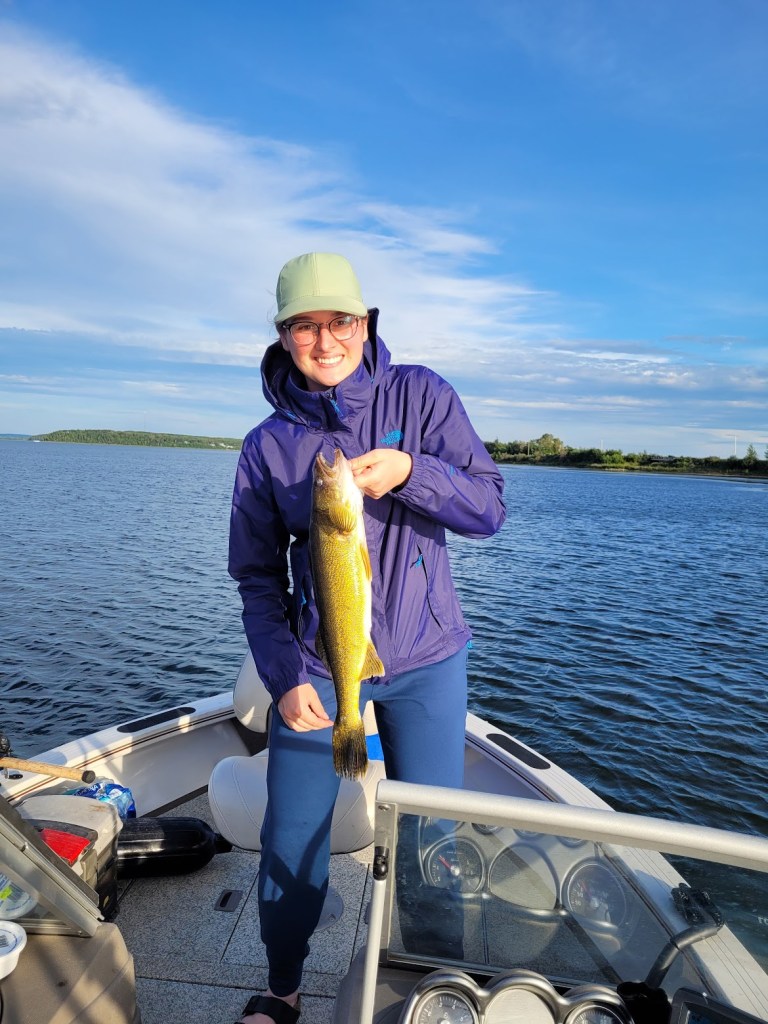
Angela Corsaro
Angela is a 3rd year BSc Honours Neuroscience student at the University of Alberta studying interferon-responsive microglia and remyelination. Outside the lab, Angela enjoys swimming, fishing, and adrenaline-fuelled adventures like skydiving and roller coasters.
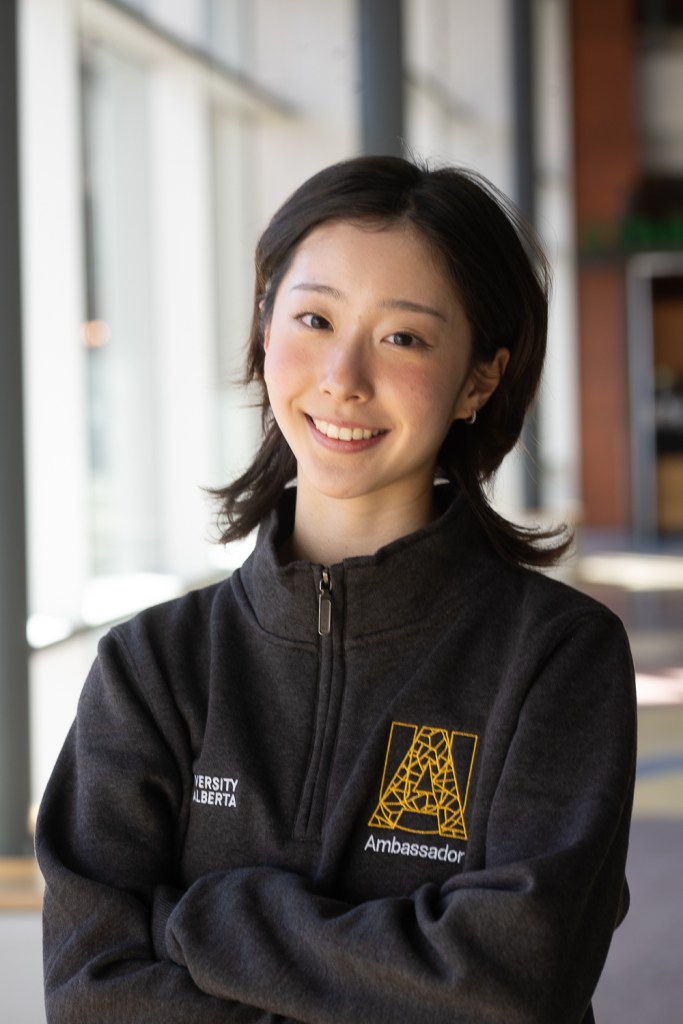
Ella Lu
My name is Ella Lu, and I am an honours neuroscience student in the Kerr Lab. My main research interest is how the central nervous system reorganizes its circuity after damage, leading to maladaptive responses to stimuli. How can a feather-light touch be perceived as excruciatingly painful? For hobbies, I’ve been a dancer my whole life, and my favourite genres are contemporary and tap. I also love drawing/painting, know all the lyrics to the Hamilton musical, and enjoy the occasional cryosectioning
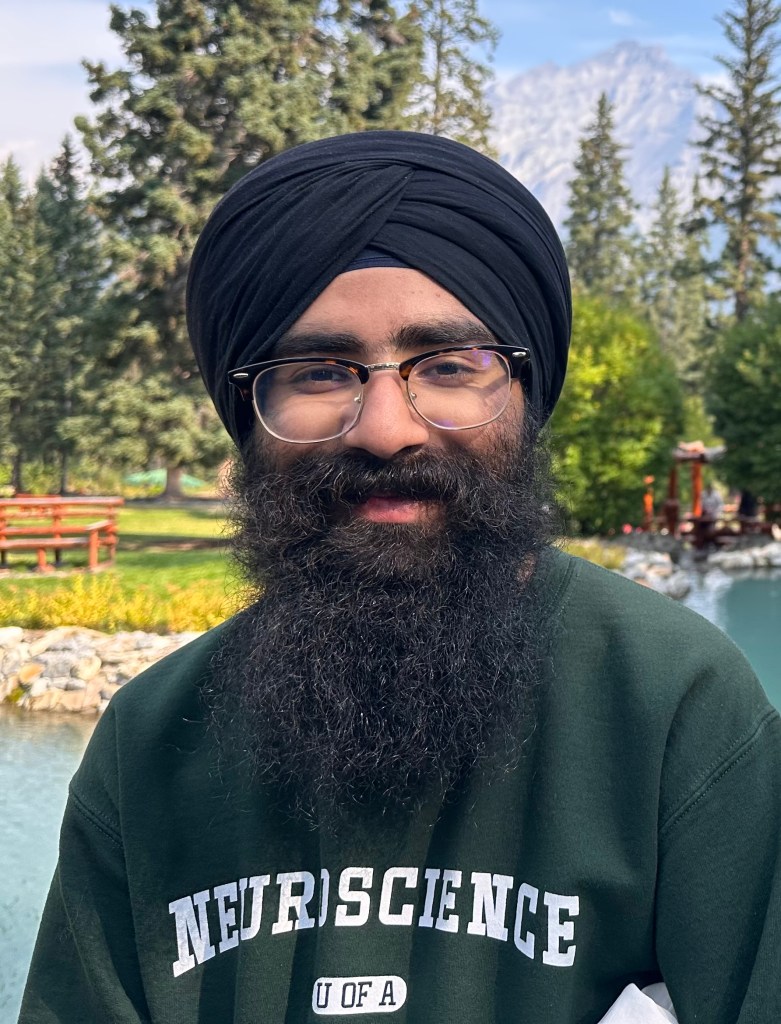
Maheep Kaloti
Maheep is a 4th year BSc Honours Neuroscience student at the University of Alberta studying microglial replacement strategies and their impact on remyelination. Outside the lab, Maheep enjoys playing and watching soccer, coaching field hockey, and spending time in the kitchen cooking (and, of course, eating!).
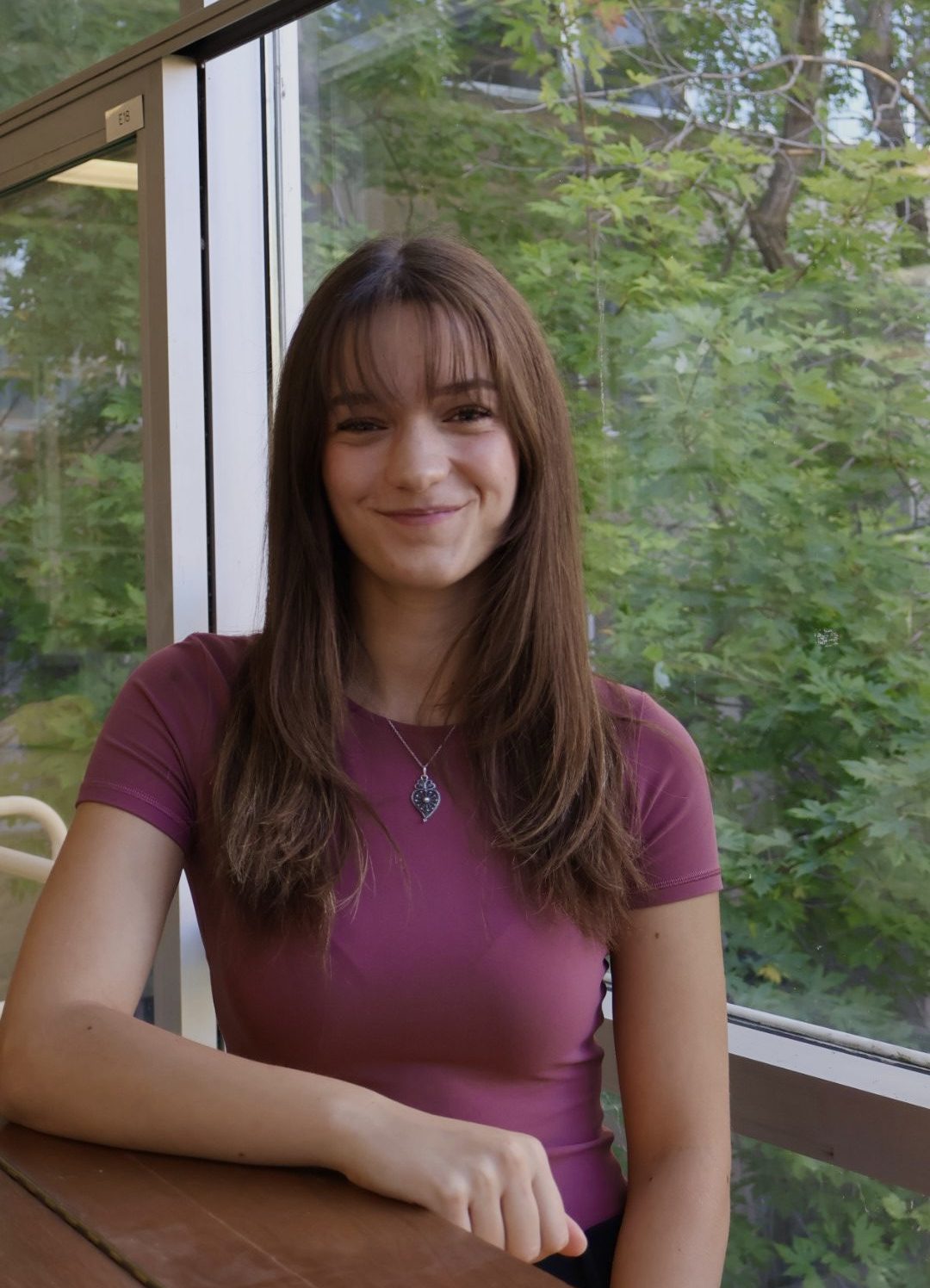
Ines Brennan
Ines is a 4th year BSc Honours Physiology student at the University of Alberta interested in understanding why pain and sensory processing can differ so dramatically between individuals. Her research in the Kerr Lab explores how TNFR1 signalling shapes sensory neuron responses to inflammation, with a particular focus on how these changes differ between males and females and across different pain and disease models. Outside the lab, Ines loves singing and performing, and is usually juggling more projects than she probably should.
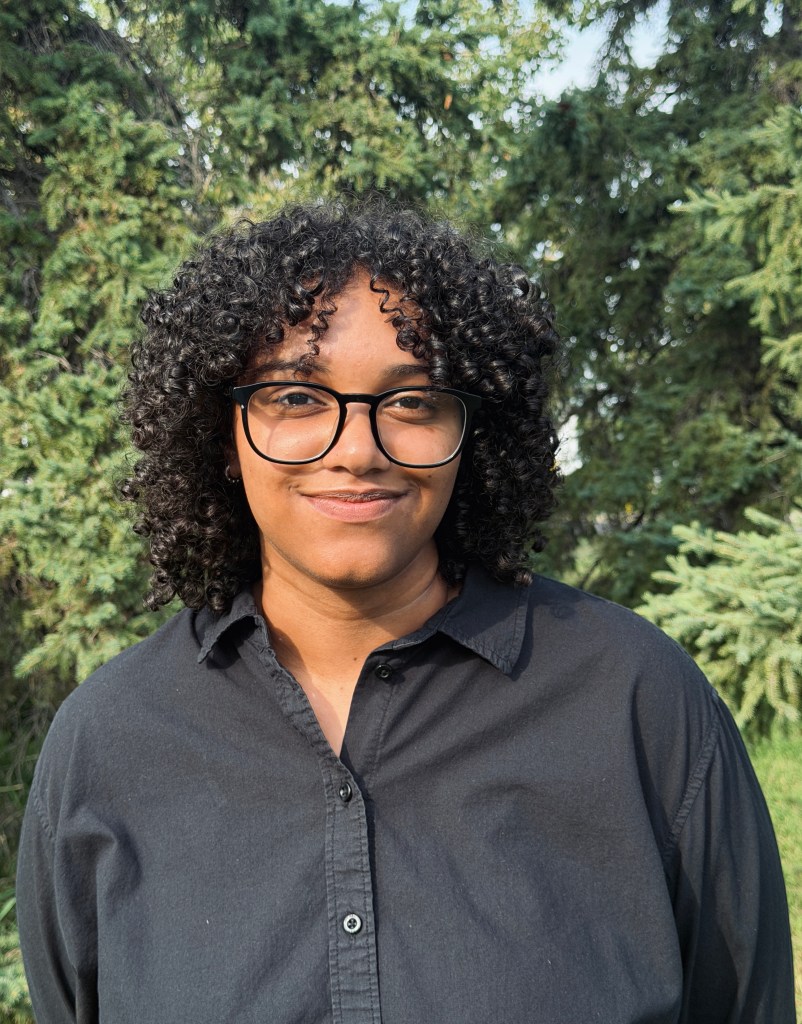
Noor Elsayed
My Name is Noor, and I’m an honours pharmacology student in Dr. Kerr’s lab. My research focuses on the sex specific responses to TNFa in cultured dorsal root ganglion (DRG) cells, with an emphasis on how pharmacological inhibition of downstream targets attenuates these effects. Outside of campus, you’ll usually find me at comedy shows and concerts with friends, or enjoying the occasional walk down the river valley trails.
Lab Support
Kelly Lee
Kelly completed her MSc at the University of Toronto in the Department of Molecular and Medical Genetics. The main focus of her research will be using Cuprizone model of progressive Multiple Sclerosis in mice to investigate how microglial cells respond to demyelination and the factors that are released into the extracellular matrix as a result of the toxin.
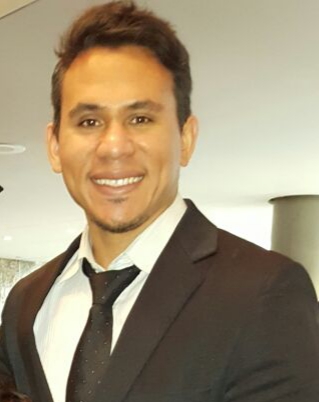
Gustavo Tenorio
After completing an MSc from the University of Alberta, Gustavo started working with Dr. Kerr and has worked with him for the past 9 years. Gustavo is an important lab resource. He trains new staff and students on various tasks ranging from bench work to data processing. Recently, his work has shifted more towards lab administration, as well as identifying hazards and implementing controls to make sure the lab follows EHS standards.
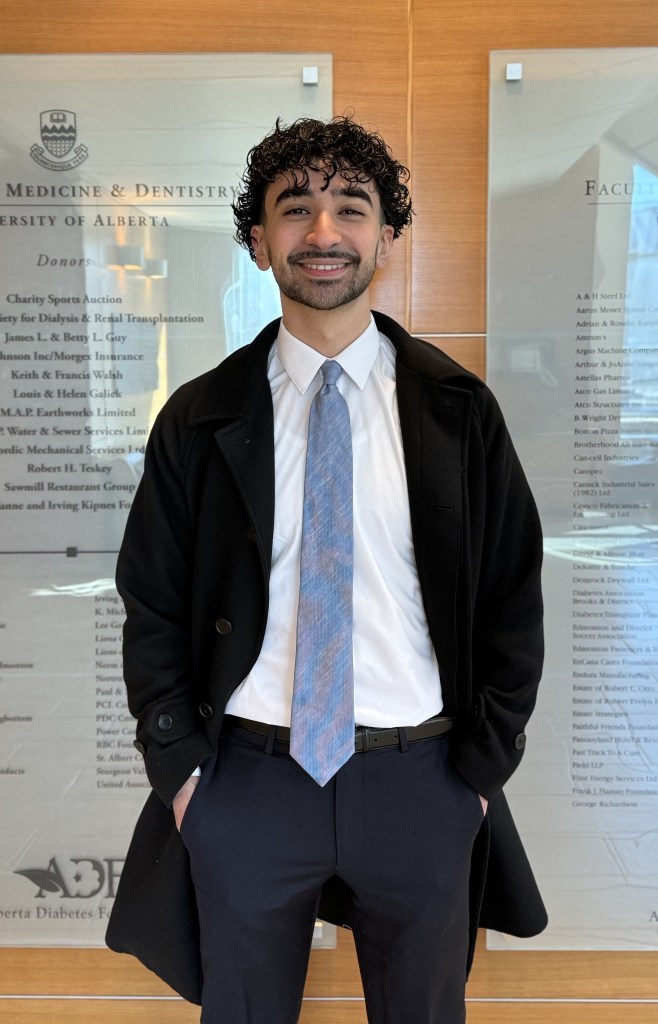
Peter Girgis
Peter is a Lab Technician in the Plemel Lab. He completed his BScH in Neuroscience at the University of Alberta, followed by a Master’s degree completed in the Giuliani Lab in 2026. He is heavily invested in stem cell research, using these methods to study differences in the activational responses of microglia caused by neurodegenerative conditions such as MS and Alzheimer’s Disease. Outside of academia, Peter is passionate about soccer, following the English Premier League as well as playing on his own Men’s League team. He loves listening and creating music in his spare time, as well as long distance running when the weather is nice outside.

